Bird’s Nest Soup in Traditional Chinese Medicine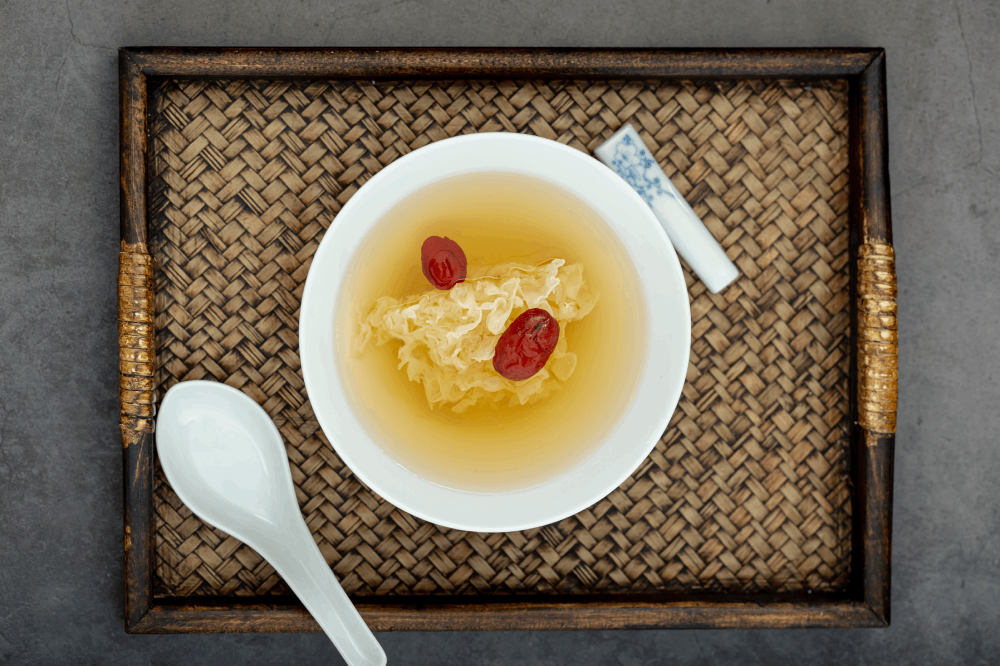
When you hear that bird’s nest soup is made from hardened swiftlet saliva, you might question why it’s long been prized in Traditional Chinese Medicine. Yet practitioners still use it as a gentle tonic for the lungs, qi, and skin, especially during recovery or pregnancy. The key isn’t just what it is, but who it actually suits, when to use it, and how preparation can make the difference between a true tonic and an expensive dessert. Bird’s Nest Soup in TCM: What It IsIn Traditional Chinese Medicine, bird’s nest soup has long been valued as a gentle, restorative tonic made from the hardened nests of swiftlets. Rather than acting as a quick stimulant, it is used to steadily support Qi and nourish Lung Yin, making it especially suited for those seeking gradual, balanced wellness. Its mild nature is part of its strength, working quietly with the body instead of overwhelming it. Because preparation and sourcing play such an important role in preserving these qualities, working with suppliers who understand regional standards and authenticity matters. Those familiar with local markets can ensure the nests are properly cleaned, ethically sourced, and handled in a way that maintains their traditional integrity. This directly impacts birds nest soup benefits, since improperly sourced or overly processed products may not provide the same nourishing effects described in Traditional Chinese Medicine. Traditionally, the soup is consumed before meals to support digestion and improve nutrient absorption. It is often prepared simply, lightly sweetened or left plain to keep its tonic properties intact. Typical servings range from 2–3 grams daily, with slightly higher amounts used during recovery or pregnancy, always with care to avoid heavy or oily additions that could interfere with its intended benefits. Traditional Benefits: Immunity, Lungs, Kidneys, and SkinIn traditional Chinese medicine (TCM), bird’s nest is regarded as a mild, nourishing tonic that primarily targets the Lungs and Kidneys, with secondary benefits attributed to immunity, convalescence, and skin health. It's commonly used to support Lung Yin, alleviate chronic dry cough, and help resolve residual phlegm. These uses are based on TCM theory and historical practice rather than on extensive modern clinical evidence, so they should be viewed as complementary to, not replacements for, conventional medical treatment. Who Bird’s Nest Soup Is For and When to Take ItSeeing who traditionally uses bird’s nest soup can help clarify when it may be appropriate. In TCM, it's often considered for older adults, people recovering from illness, pregnant individuals, and children during periods of active growth, especially when there are signs of weakness, dryness, or general depletion. A common guideline is 2–3 g per day for general maintenance, and 3–5 g per day during pregnancy, with adjustments made in consultation with a qualified practitioner. It's often taken on an empty stomach before meals to support digestion and to enhance its proposed Lung Yin–nourishing and Qi‑supporting effects, particularly in cases of chronic dry cough, phlegm, weak digestion, or reduced appetite. Individuals with a history of food allergies or sensitivities are generally advised to start with a very small amount and monitor for any adverse reactions. How to Prepare and Take Bird’s Nest SoupOnce you have determined that bird’s nest soup is suitable for you, preparing it correctly can help you use it efficiently and reduce potential risks. Soak 2–3 g of dried white bird’s nest in clean, cold water for about 6 hours or overnight. Some traditional sources suggest 3–5 g in pregnancy, but this should be discussed with a healthcare professional. Change the soaking water once or twice to remove surface impurities. After soaking, gently remove visible feathers and debris with clean hands or tweezers. Rinse briefly, then cook the nest by double-steaming or simmering it gently with rock sugar and, if desired, mild additions such as red dates, goji berries, or Asian pear. Cooking for about 30 minutes, without vigorous boiling, usually produces a soft, gelatinous texture. Bird’s nest soup is often consumed on an empty stomach in traditional practice, although evidence for a specific timing benefit is limited. Store dried nests in a cool, dry place protected from moisture and insects. For longer storage, an airtight container in the refrigerator can help maintain quality. Safety, Side Effects, Quality, and Modern ResearchBird’s nest soup has a long history in traditional Chinese medicine as a relatively mild tonic, but it should still be approached like any other concentrated animal‑derived product, with attention to safety, quality, and realistic expectations. Its mucin glycoproteins and carbohydrates may offer some support for skin and respiratory health, although these components aren't always highly soluble or easily digested. Potential risks include allergic reactions and contamination, particularly from counterfeit products, nests treated with artificial pigments, and avian diseases. Red “blood” nests aren't due to actual blood; they're thought to result from chemical changes, including nitration reactions, and may contain higher nitrite and nitrate levels, which raise concerns about possible carcinogenic effects with long‑term or high‑level exposure. To ensure authenticity and safety, reputable suppliers may use analytical methods such as chromatography, microscopy, and polymerase chain reaction (PCR) based testing. Modern research has identified epidermal growth factor (EGF) like components and immunomodulatory properties in bird’s nest extracts, but human clinical trials remain limited in number and quality. As a result, any health claims should be viewed as preliminary, and bird’s nest shouldn't be considered a substitute for established medical treatments. ConclusionWhen you use bird’s nest soup the way TCM intends, gently prepared, taken consistently, and matched to your body’s needs it becomes a subtle but steady tonic. You support Lung Yin, immunity, recovery, and skin from the inside out. Start low, choose clean, authentic nests, and watch how your body responds. Used with common sense and good sourcing, you can make this traditional remedy a calm, nourishing part of your modern routine.
|
|